Concerns about the physical environment a child is living in or visiting for contact — cleanliness, safety hazards, overcrowding, or general unsuitability — are a common and legitimate category of welfare concern. Establishing the true state of a property, in a way that is fair, accurate, and useful for any subsequent decision-making, requires a careful and proportionate approach.
What Counts as an Unsafe Living Condition
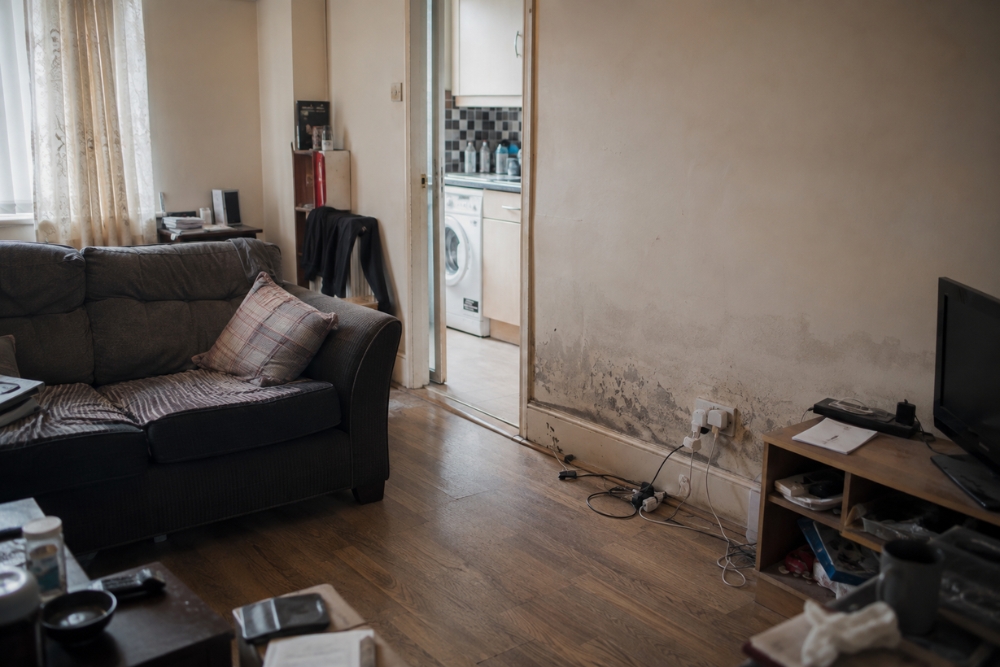
Concerns in this category range considerably in severity. At the more serious end: evidence of hazardous substances accessible to a child, structural dangers, infestation, or a complete absence of basic amenities. At a more moderate level: significant disorder, poor hygiene standards, or overcrowding that raises welfare questions without necessarily presenting an immediate danger. Distinguishing between these levels matters, because the appropriate response differs.
It is also worth being honest that standards of tidiness and housekeeping vary considerably between households without indicating any genuine welfare concern. A home that is simply more cluttered or less immaculately kept than you would choose is not, on its own, evidence of unsafe living conditions. The threshold that matters for child welfare purposes is whether the conditions present an actual risk to the child’s health, safety, or wellbeing.
How Concerns Are Investigated
Direct observation: where appropriate and lawful, a trained investigator can observe the external condition of a property and, where relevant and lawfully obtainable, gather evidence of matters visible from outside or from publicly accessible vantage points.
Witness evidence: where neighbours, family members, or others have direct knowledge of conditions inside a property, properly gathered witness accounts can be valuable evidence.
Your child’s own account: what a child says about conditions in a home, recorded carefully and without leading questioning, can be relevant evidence, though it needs to be treated with the care appropriate to evidence from a child.
Statutory involvement: where the concern is serious, the local authority’s environmental health team has powers to inspect a property for housing standards concerns, and children’s social care can conduct a home visit and assessment as part of a welfare enquiry.
The Limits of Private Investigation Here
It is important to be realistic about what private investigation can establish regarding the interior condition of a property that you and your investigators do not have lawful access to. We cannot and will not enter a property without lawful right to do so, and entering covertly or under false pretences would itself be unlawful and would undermine, not support, any case you are trying to build.
Where the concern is serious enough to warrant assessment of the interior of a property, the appropriate route is via children’s social care, who have the power to conduct home visits as part of a statutory assessment, or via the family court, which can order specific welfare reports including, in appropriate cases, a Cafcass officer’s assessment that includes observation of the home environment.
What We Can Help With
We can assist by gathering lawfully obtainable evidence relevant to your concern, by helping you document and present your concerns clearly to the appropriate statutory bodies or to the family court, and by conducting background investigation where the concern relates to the people present in a household rather than the physical conditions alone.
Concerned about living conditions during a child’s contact or residence? Contact UKPI Detectives for an honest conversation about how we can help.